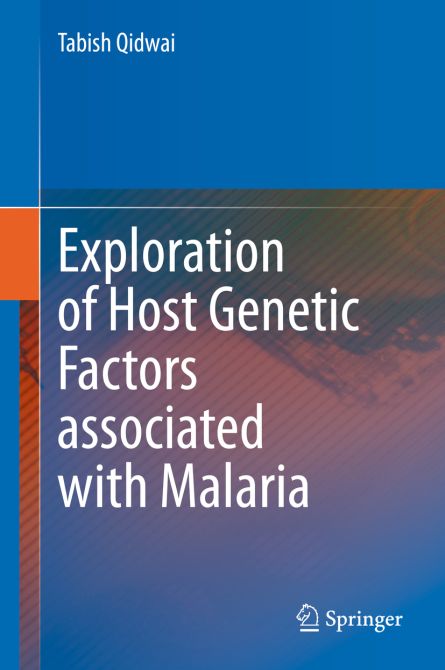
Exploration of Host Genetic Factors associated with Malaria
| Auflage | 2021 |
| Seiten | 172 pp., 79 illus. |
| Verlag | Springer |
| ISBN | 9789813347601 |
| Artikel-Nr. | 618425 |
Lieferzeit ca. 5 Werktage
Produktbeschreibung
This book is aimed to cover the role of genetic polymorphisms in human genes related to RBC disorders, metabolic enzymes, immune response, and cytoadherence in the susceptibility/resistance to malaria caused by Plasmodium falciparum. The chapters provide current information on the balancing trait and the significance of such traits in the malaria resistance. The book covers polymorphisms in the genes of the red blood cells-sickle cell anaemia; glucose-6-phosphate dehydrogenase deficiency and thalassemia that confer protection against malaria. In addition, the book explores selection of genetic variations in the human genome as genetic control mechanism against malaria in endemic regions. It also provides a comprehensive overview of the molecular epidemiology and natural selection of alleles in the genes which are associated with malaria, and presents description of the role of human genetic polymorphisms in malaria disease risk and disease outcome.
Summarizes host genetic polymorphisms that are associated with malaria susceptibility/resistance
Reviews molecular epidemiology and natural selection of alleles in genes associated with malaria
Examines the malarial parasite-imposed selective pressure on the human genome
Covers the genetic control mechanisms in the human genome against malaria in endemic regions
Summarizes host genetic polymorphisms that are associated with malaria susceptibility/resistance
Reviews molecular epidemiology and natural selection of alleles in genes associated with malaria
Examines the malarial parasite-imposed selective pressure on the human genome
Covers the genetic control mechanisms in the human genome against malaria in endemic regions