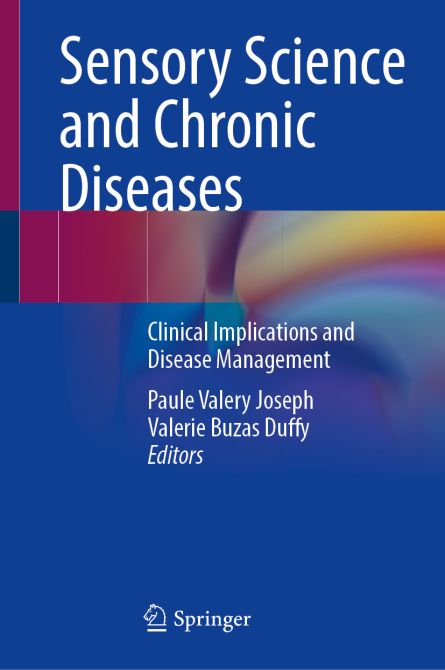
Sensory Science and Chronic Diseases
Clinical Implications and Disease Management
| Auflage | 2022 |
| Seiten | 220 pp., 50 illus. |
| Verlag | Springer |
| ISBN | 9783030862817 |
| Artikel-Nr. | 570174 |
Noch nicht erschienen, ca. Dez. Liefertermin 1-3 Tage nach Erscheinen
Produktbeschreibung
The textbook provides an overview of the intersection between field of sensory science, sensory nutrition, and the genomics of related, or co-occurring, symptoms, the current state-of-the-science, and challenges that remain in and the prevention of metabolic diseases such as obesity and diabetes and as well as eating disorders. It brings differing views in the field together and provides examples of translational science from using cellular and rodent models to human clinical trials and community health.
The volume structure leads the reader through the physiology of taste and smell and genomics into how sensory testing for taste and smell is studied, basic mechanisms, various protocols that are used throughout the field along with the pros/cons of the current methods used, and project into the future of sensory science, nutrition, and genomics and health surveillance. This resource is intended for classroom teaching, for novice researchers in symptom science and sensory research as well as students and postdoctoral fellows. Example of courses are nutrition, basic nursing, interdisciplinary health courses, sensory perception (psychology), neuroscience, and medical courses, dentistry, food science and others.
Features work related to taste and smell alterations often not discussed in nursing and health professional studies
Offers examples of measures and protocols that can be applied clinically
Links the work done in basic research to clinical practice in sensory biology and associated conditions
The volume structure leads the reader through the physiology of taste and smell and genomics into how sensory testing for taste and smell is studied, basic mechanisms, various protocols that are used throughout the field along with the pros/cons of the current methods used, and project into the future of sensory science, nutrition, and genomics and health surveillance. This resource is intended for classroom teaching, for novice researchers in symptom science and sensory research as well as students and postdoctoral fellows. Example of courses are nutrition, basic nursing, interdisciplinary health courses, sensory perception (psychology), neuroscience, and medical courses, dentistry, food science and others.
Features work related to taste and smell alterations often not discussed in nursing and health professional studies
Offers examples of measures and protocols that can be applied clinically
Links the work done in basic research to clinical practice in sensory biology and associated conditions
